Developing Multimodal Data-Driven Art-Inspired Bowel Cancer-Screening Promotion Messages
About the Project
In our project, we combine elements of Psychology, Marketing, Artificial Intelligence (AI), and Visual Art to analyze the appeal of existing bowel cancer screening images. Drawing on interviews, surveys, and physiological eye-tracking data, we will produce novel and more effective bowel cancer screening images aimed at populations at higher risk of bowel cancer. In doing so, we aim to increase their screening uptake.
ALL ABOUT BOWEL CANCER
– Colorectal cancer (CRC) is the fourth most common cancer and the second leading cause of cancer deaths in the UK.
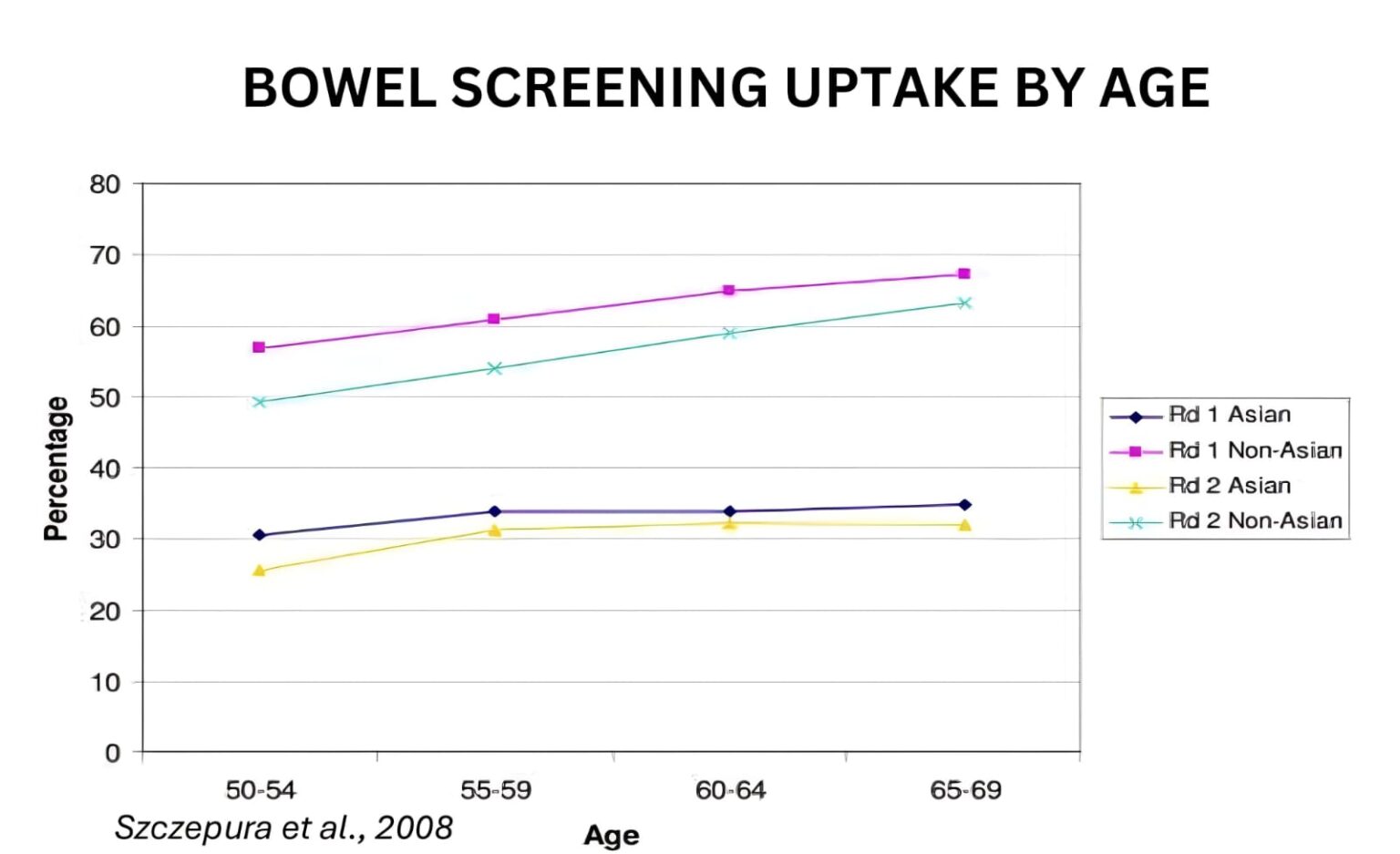
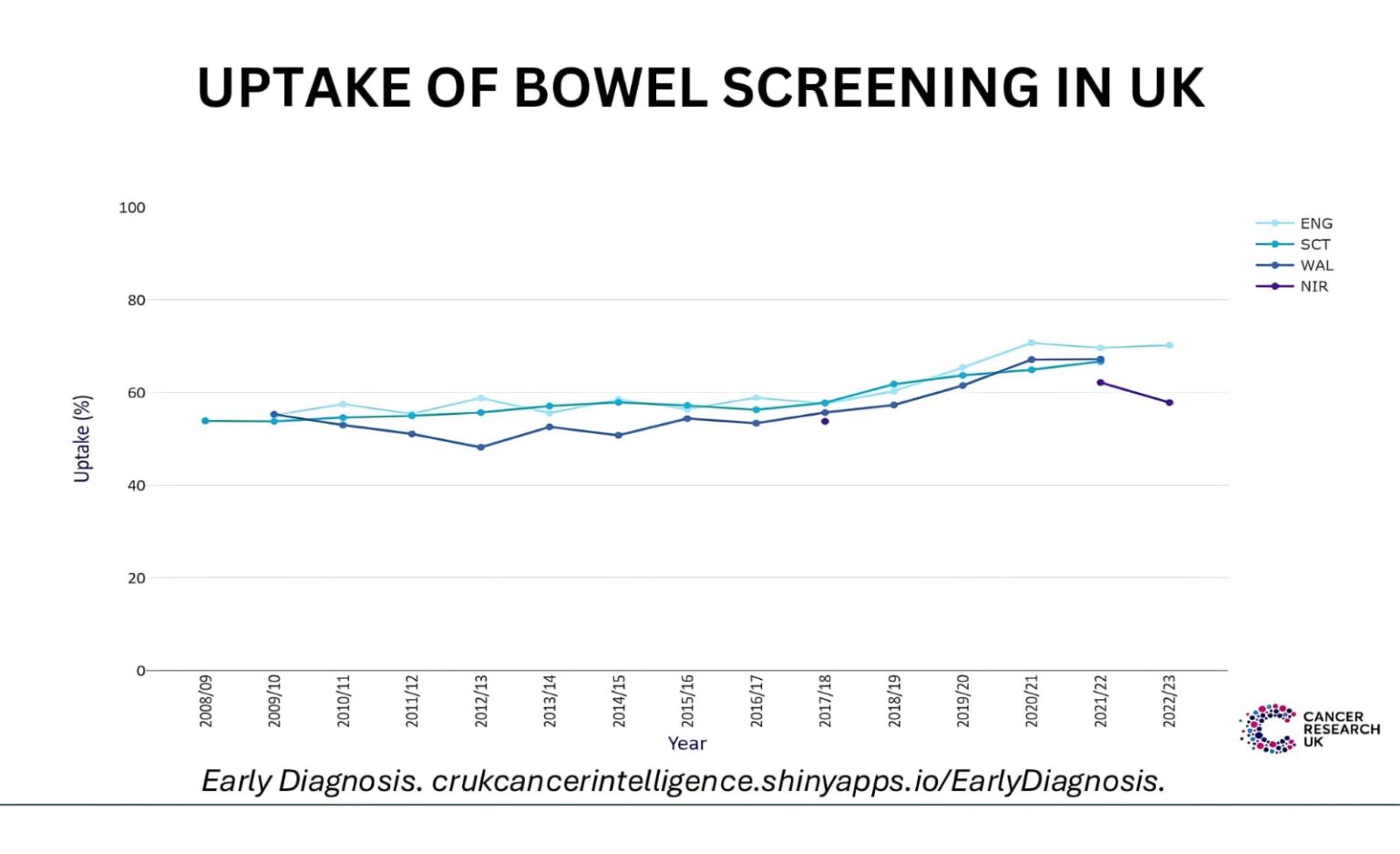
Despite its benefits in reducing mortality, CRC screening uptake remains low, especially among ethnic minorities and
individuals of lower socio-economic status. While promotional messages can boost screening rates, their specific impact
on these groups is unexplored.
Bowel Screening Analysis
RESEARCH OBJECTIVE
This project aims to identify the most and least effective elements in colorectal cancer screening promotion images,
focusing on ethnic minorities in the UK and individuals in India. Through interviews, survey ratings, and eye tracking, we
will assess existing CRC screening promotion images to understand which elements work best and which do not. This data
will then inform the creation of optimized CRC promotion images using graphic design and generative AI.
METHODS
An online survey of 17 participants (UK = 8, India = 9) rated 58 globally curated cancer screening promotional images for
their effectiveness using a thumbs up or down system. Remote interviews further explored perceptions by asking
participants what elements could be added or removed to enhance the effectiveness of the images, to describe their
ideal image for promoting bowel cancer screening, and to identify cultural elements to include or avoid for greater
effectiveness.
About Bowel Cancer
Colorectal cancer (CRC) is the fourth most common cancer and the second leading cause of cancer deaths in the UK. Despite its benefits in reducing mortality, CRC screening uptake remains low, particularly among ethnic minorities and individuals of lower socio-economic status. Barriers such as lack of awareness, cultural beliefs, and language differences contribute to the lower screening rates in these groups. Fear of diagnosis and mistrust in the healthcare system further hinder participation. While promotional messages can boost screening rates, their specific impact on these populations remains unexplored. Targeted interventions, including culturally tailored messaging and community outreach, could help improve screening uptake in underserved populations. Additionally, improving accessibility through mobile clinics and offering language support services could further enhance engagement in these at-risk groups. Addressing these disparities is essential for reducing overall CRC mortality.